

Introduction to Vitamin B3
Vitamin B3, also known as niacin, is an essential water-soluble vitamin that plays a vital role in many aspects of health. It comes in two primary forms: niacin (nicotinic acid) and niacinamide (nicotinamide). As a water-soluble nutrient, it is not stored in the body, so regular intake through diet is necessary. Niacin is crucial for converting food into energy, supporting the nervous system, maintaining skin health, and ensuring proper digestion.
Food Sources of Vitamin B3
Vitamin B3 can be found in a variety of both animal and plant-based foods, making it accessible for all dietary preferences:
- Sources animales: Chicken, turkey, beef liver, salmon, and sardines are rich sources of niacin.
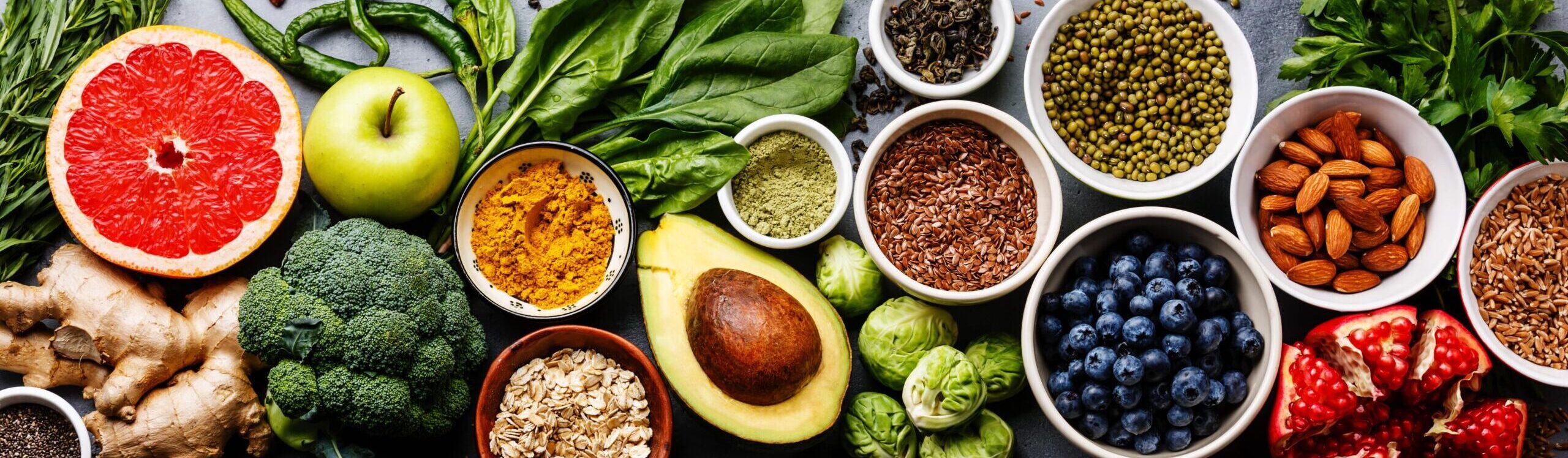
- Plant-Based Sources: Mushrooms, peanuts, avocado, sunflower seeds, chia seeds, brown rice, and quinoa provide substantial amounts of niacin.
- Fortified Foods: Many cereals and bread are fortified with vitamin B3, offering a convenient way to boost niacin intake.
Health Benefits of Vitamin B3
Vitamin B3 offers numerous health benefits, including:
- Energy Production: It helps convert carbohydrates, fats, and proteins into energy, essential for cellular function.
- Brain Function: Niacin supports the health of the nervous system and brain, potentially protecting against neurodegenerative diseases.
- Santé de la peau: It maintains skin integrity and can improve conditions like acne and inflammation.
- Digestive Function: Vitamin B3 supports the gastrointestinal system, promoting healthy digestion.
- Cardiovascular Support: Niacin has been shown to support heart health by improving cholesterol levels and enhancing blood vessel function.
Symptoms of Vitamin B3 Deficiency
While rare in developed countries, vitamin B3 deficiency can lead to pellagra, a condition characterized by:
- Dermatitis: Skin inflammation, particularly in sun-exposed areas.
- Diarrhea: Gastrointestinal distress, often with persistent loose stools.
- Dementia: Cognitive decline, confusion, and memory problems.
- Swollen, Inflamed Tongue: A common symptom associated with pellagra.
Without adequate niacin, individuals may experience severe health complications, including mental confusion, depression, and, in extreme cases, death.
Symptoms of Vitamin B3 Excess
While niacin is generally safe, excessive intake, particularly from supplements, can cause:
- Niacin Flush: A temporary condition causing skin redness and itching.
- Liver Toxicity: Prolonged high doses may lead to liver damage.
- Metabolic Complications: Overconsumption may increase the risk of developing diabetes and other metabolic disorders.
Recommended Daily Intake of Vitamin B3
The daily recommended intake of vitamin B3 varies based on age, gender, and life stage:
- Men: Approximately 16 mg per day.
- Women: About 14 mg per day.
- Pregnant and Nursing Women: May require higher intake levels to support maternal and fetal health.
Absorption and Interactions of Vitamin B3
Niacin is primarily absorbed in the small intestine, but certain factors can impact its bioavailability:
- Alcohol Consumption: Can impair niacin absorption and increase excretion.
- High-Protein Diets: Can affect niacin metabolism.
- Medications: Certain drugs may interfere with niacin absorption or enhance its clearance from the body.
Diseases or Conditions Related to Vitamin B3 Deficiency
Pellagra, as mentioned earlier, is the most severe condition associated with niacin deficiency. However, a lack of adequate niacin can also lead to:
- Digestive Issues: Such as indigestion and diarrhea.
- Mental Health Problems: Including anxiety, depression, and cognitive decline.
Toxicity or Overdose Effects of Vitamin B3
Excessive intake of niacin, particularly from supplements, can result in:
- Liver Damage: High doses of niacin can be hepatotoxic, leading to liver dysfunction.
- Gastrointestinal Issues: Such as nausea and abdominal pain.
- Glucose Intolerance: High levels may exacerbate blood sugar control issues in diabetics.
Conclusion
Vitamin B3 is a vital nutrient that supports numerous bodily functions, including energy production, brain health, and skin maintenance. Ensuring an adequate intake through a balanced diet rich in niacin-containing foods can promote overall health and prevent deficiencies. As always, consult a healthcare professional or nutritionist for personalized advice.
Liens de source