

Understanding Vitamin B1 (Thiamine)
Vitamin B1, or thiamine, is an essential water-soluble vitamin that plays a crucial role in converting carbohydrates into energy. It belongs to the B vitamin family and is vital for maintaining the health of nerves, muscles, and the heart. Getting enough thiamine is essential for overall health, as it supports various bodily functions.
Food Sources of Vitamin B1
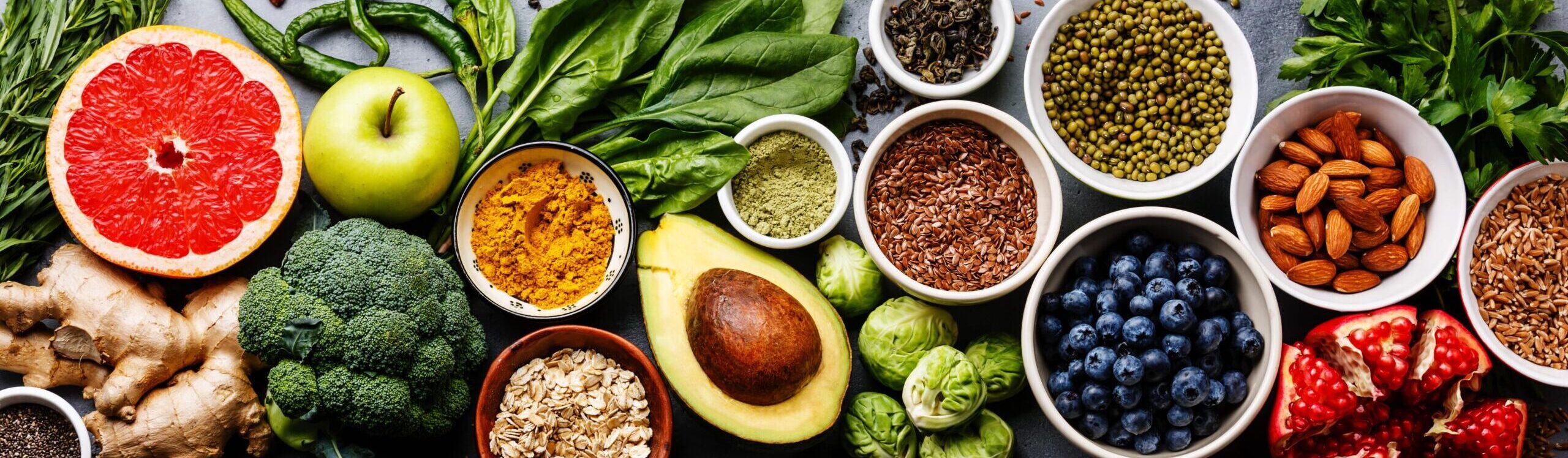
The best way to obtain thiamine is through a balanced diet. Foods rich in thiamine include:
- Grains entiers: Brown rice, oats, and whole wheat bread are excellent sources.
- Légumineuses: Lentils, beans, and peas provide a substantial amount of thiamine.
- Meat: Pork, beef, and chicken are good sources, particularly pork, which is one of the richest sources of thiamine.
- Fish and Seafood: Tuna and mussels are packed with essential nutrients, including thiamine.
- Noix et graines: Sunflower seeds and flaxseeds are also good sources.
Incorporating a variety of these foods into your diet can help you meet your daily thiamine needs .
Functions and Benefits of Vitamin B1
Thiamine is vital for numerous bodily functions:
- Energy Production: Thiamine helps convert carbohydrates into energy, which is essential for all cellular processes.
- Nervous System Health: It supports nerve function by aiding in the transmission of nerve signals.
- Santé cardiaque: Thiamine is crucial for maintaining proper heart function and muscle contraction.
- DNA and RNA Synthesis: It plays a role in the synthesis of DNA and RNA, which are critical for cell growth and function.
- Antioxidant Protection: Thiamine acts as an antioxidant, protecting the body from the damaging effects of free radicals .
Deficiency Symptoms of Vitamin B1
A deficiency in thiamine can lead to a condition known as beriberi, which affects the cardiovascular and nervous systems. Early signs of thiamine deficiency include:
- Fatigue and irritability
- Poor concentration
- Déséquilibre musculaire
- Loss of appetite and weight
- Numbness or tingling in the extremities
- Memory problems
If left untreated, thiamine deficiency can lead to more severe symptoms and complications .
Excess Symptoms of Vitamin B1
There is generally no risk of toxicity from dietary thiamine because it is water-soluble, and any excess is typically excreted in the urine. Therefore, it is safe to consume foods high in thiamine without the risk of overdosing .
Recommended Daily Intake of Vitamin B1
The recommended daily intake of thiamine varies by age and sex:
- Infants (0-6 months): 0.2 mg
- Infants (7-12 months): 0.3 mg
- Children (1-3 years): 0.5 mg
- Children (4-8 years): 0.6 mg
- Children (9-13 years): 0.9 mg
- Males (14+ years): 1.2 mg
- Females (14+ years): 1.1 mg
- Pregnant Women: 1.4 mg
- Breastfeeding Women: 1.5 mg .
Absorption and Interactions
Thiamine is absorbed in the small intestine, but several factors can affect its absorption. Alcohol consumption, certain medications (such as diuretics), and compounds in tea and coffee can interfere with thiamine absorption. Understanding these interactions can help optimize thiamine intake .
Deficiency Diseases or Conditions
Severe thiamine deficiency can lead to beriberi, which affects the cardiovascular and nervous systems. It comes in two forms:
- Dry Beriberi: Affects the nervous system, leading to symptoms like muscle weakness and nerve damage.
- Wet Beriberi: Affects the cardiovascular system, potentially leading to heart failure and edema.
Other conditions associated with thiamine deficiency include Wernicke-Korsakoff syndrome, a serious brain disorder common in chronic alcoholics .
Toxicity or Overdose Effects
There are no known toxic effects of vitamin B1 from dietary intake. The body eliminates excess amounts through urine, making overdose unlikely even with supplementation .
Special Considerations
Certain populations may have a higher risk of thiamine deficiency:
- Individuals with chronic alcoholism
- People with certain medical conditions, such as Crohn’s disease or those who have undergone bariatric surgery
- People on a diet low in thiamine-rich foods
For these groups, monitoring thiamine intake is particularly important to prevent deficiency .
Additional Notes or Interesting Facts
- Cooking methods such as steaming and microwaving help preserve thiamine in foods, while boiling may cause a significant loss of this nutrient.
- Consuming whole, unprocessed foods is an effective strategy to ensure adequate thiamine intake.
- Thiamine deficiency was historically a major health issue, particularly in regions where polished rice (low in thiamine) was a staple food. Enrichment of grains and cereals has helped reduce the prevalence of thiamine deficiency in many parts of the world .
Liens de source
- Harvard T.H. Chan School of Public Health – Vitamin B1
- NIH Office of Dietary Supplements – Thiamin
- Mayo Clinic – Vitamin B1 (Thiamine)
- Healthline – Benefits of Vitamin B1