

Embarking on a journey toward a healthier you? Begin by contemplating the crucial role that polyunsaturated fatty acids (PUFAs) play in your diet. These fats, teeming with health benefits, are not just an ordinary part of a healthy diet; they are indispensable. Think of PUFAs as the guardians of your cells, maintaining their integrity and ensuring that each part of your body functions seamlessly. As acides gras essentiels, they need to make a regular appearance on your plate because your body relies on your dietary choices to receive these vital nutrients.
The two most celebrated stars in the world of PUFAs, omega-3 and omega-6 fatty acids, hold the keys to a healthier metabolism and anti-inflammatory potency that can drive your well-being to new heights. Notably, sources like fish oil have traditionally fulfilled our needs, but emerging concerns about sustainability drive the quest for more eco-friendly and uncontaminated options such as microalgae. As you take strides to upgrade your food choices, remember that the nutritional value of these fats is unparalleled when it comes to enhancing your well-being.
Principaux enseignements
- Polyunsaturated fatty acids bolster cellular health and are vital components of a healthy diet.
- They are acides gras essentiels – imperative for metabolism and cannot be synthesized by the body.
- Nutritional value of PUFAs is significant, aiding in the transport of nutrients like fat-soluble vitamins.
- Omega-3 and omega-6 fats play a role in anti-inflammatory processes, crucial for reducing chronic disease risks.
- Sustainability in sourcing these fats is increasingly paramount, with microalgae emerging as a viable alternative.
- Optimal health benefits are linked to a balanced intake ratio of omega-3 to omega-6 fatty acids.
- Awareness and adjustment of PUFA sources can contribute to a more ecologically sustainable lifestyle.
Exploring the Role of Polyunsaturated Fatty Acids in Cellular Integrity
The subtle and intricate world of cellular membranes is crucial to the vitality of our cells, which, in turn, are vital to our overall health. Embedded within these membranes is the rich world of polyunsaturated fatty acids, lending both integrity and fluidity to these vital cellular borderlands. Understanding how polyunsaturated fatty acids foster cellular membrane stability and the transport of proteins et fat-soluble vitamins is key to appreciating their full scope of benefits.
The Composition and Functions of Cellular Membranes
Your body’s cells are encased in a membrane that serves as a gatekeeper, deciding what enters and exits. A principal component of these membranes is lipids, which include the celebrated omega-3 and omega-6 fatty acids. It is these lipids that maintain the membrane’s fluidity, a quality that ensures the necessary flexibility and permeability for receiving nutrients and expelling waste materials. Their role is not just structural; they’re also vital for the cell’s communication with its neighbors and the transmission of signals representing a myriad of biological processes.

Transport of Essential Molecules by Lipid Vesicles
Imagine cellular highways within the body, with lipid vesicles as the vehicles that transport critical cargoes such as proteins, hormones, and fat-soluble vitamins A, D, E, and K. The integrity of these vesicles is paramount for delivering the molecules to their proper destinations, inside or external to the cell. Polyunsaturated fatty acids play an indispensable role in the formation of these vesicles, determining their size, shape, and the rate at which they travel. These tiny lipid-capsuled transporters are essential workers, maintaining lipid homeostasis and, therefore, overall health.
As you consider your diet and its impact on your health, know that the fats you consume are not merely about calories. They are about maintaining the very integrity of trillions of cells, each playing its part in keeping you healthy. Ensuring an adequate intake of polyunsaturated fatty acids is not just recommended—it’s a key aspect of nurturing the cellular communities that sustain you.
The Necessity of Essential Fatty Acids in Human Health
At the core of optimal health is a group of molecules critical to our well-being: acides gras essentiels. Your journey to health enhancement hinges upon understanding and integrating these vital components into your diet. Let’s explore why these fatty acids are non-negotiable in supporting metabolic processes et une vitalité générale.
Understanding Alpha-Linolenic Acid (ALA) and Linoleic Acid (LA)
Two acides gras essentiels, alpha-linolenic acid (ALA) and linoleic acid (LA), are integral to the body’s metabolic processes but cannot be synthesized internally. ALA and LA act as starting blocks for a series of complex modifications leading to the production of very-long-chain polyunsaturated fatty acids (VLC-PUFAs), which have significant roles in cellular signaling and managing inflammatory responses.

Imagine these acides gras essentiels as essential pieces in a large, interconnected puzzle. Each piece influences how your body responds to l'inflammation, heals, repairs, and maintains a balanced state of health.
The Body’s Inability to Synthesize Certain Fatty Acids
The human body’s lack of specific enzymes, such as delta-12 desaturase, renders it incapable of producing ALA and LA naturally; thus, these acides gras essentiels must be obtained through diet. Their absence would impede the creation of VLC-PUFAs, which are crucial in ongoing health campaigns against chronic l'inflammation and other diseases. The quality of lipids ingested is, therefore, paramount to health enhancement, as deficient or imbalanced essential fatty acid intake can lead to significant health detriments.
“To optimize your health, incorporating sources of essential fatty acids like alpha-linolenic acid et linoleic acid is not just beneficial—it’s imperative.”
- Alpha-linolenic acid (ALA) – Derived from the n-3 pathway and foundational for the synthesis of eicosapentaenoic acid (EPA) and docosahexaenoic acid (DHA), key for brain function and cellular health.
- Linoleic acid (LA) – Obtained from the n-6 pathway, serving as the precursor for arachidonic acid (ARA), contributing to the production of pro- and anti-inflammatory molecules.
Ensuring proper intake of these essential nutrients will fortify your bodily functions and contribute to a vigorous and dynamic lifestyle, brimming with wellness and vigor. Remember, these molecules are not simply nutrients; they are fundamental contributors to your life’s symphony, orchestrating every metabolic harmony within you.
Polyunsaturated Fatty Acids and Inflammation
Understanding the importance of polyunsaturated fatty acids (PUFAs) in regulating l'inflammation is a pivotal step towards mitigating the risk of chronic diseases. These essential nutrients are involved in complex biological processes that can influence your body’s inflammatory response. Adopting a diet that maintains an optimal balance between omega 3 and omega 6 fatty acids is key to leveraging their anti-inflammatory properties and enhancing your overall health.

The Link Between Omega Ratios and Chronic Diseases
You might already know that chronic diseases such as cardiovascular conditions and certain types of cancer are often linked to persistent inflammation in the body. What you may not have considered is the role that the omega-3 to omega-6 fatty acid ratio plays in this equation. An optimal ratio, generally advised between 1/1 and 5/1, supports a balanced inflammatory response. In stark contrast, the typical Western diet tilts this balance, presenting a much higher ratio with an excess of omega 6, thus pushing the body towards a pro-inflammatory state.
Effects of Omega 3 and Omega 6 Fatty Acids on Inflammatory Processes
Let’s delve into how omega 3 fatty acids, especially eicosapentaenoic acid (EPA) and docosahexaenoic acid (DHA), work to combat inflammation. These heart-healthy fats are known for their potent anti-inflammatory effects, which can protect against a myriad of ailments. On the flip side, excessive intake of omega 6 fatty acids can contribute to the development of inflammatory processes, exacerbating the risk of developing chronic diseases. To harness the inflammation-fighting benefits of these fats, it is paramount to balance your intake and be mindful of the omega ratios within your diet.
- EPA and DHA from omega 3 fatty acids show protective benefits.
- Excess omega 6 fatty acids may promote inflammation.
- Adjusting sources alimentaires can help maintain healthy omega ratios.
By focusing on the consumption of foods rich in omega 3 fatty acids such as fatty fish, flaxseeds, and walnuts, you can help tip the balance in favor of a more anti-inflammatory dietary pattern. Combining these with a moderated intake of omega 6 sources can pave the way to a healthful balance, potentially leading to a decline in chronic disease occurrence and a boost to your overall health and longevity.
Recommended Dietary Intake of Omega Fatty Acids
In the pursuit of a balanced and heart-healthy diet, it’s crucial to consider your daily consumption of omega fatty acids. These essential nutrients, known for their role in maintaining cellular health and reducing inflammation, have defined dietary intake recommendations that vary across the globe.
As part of your routine, staying informed about these guidelines can help you optimize your intake for the greatest health benefit.
Guidelines from the European Food Safety Authority
Le European Food Safety Authority (EFSA) advises a specific range for the daily consumption of EPA and DHA. This recommendation, which sets the intake between 250 and 500 mg for an adult, supports cardiovascular health and reflects the importance the EFSA places on these omega fatty acids as part of dietary intake recommendations. By meeting these guidelines, you’re on track to incorporate heart-healthy fats into your diet.
Comparing Recommendations: US vs European Perspectives
Contrasting with the European stance, US health organizations have a different approach towards omega fatty acid intake. Neither the Institute of Medicine (IoM) nor the American Heart Association (AHA) specify exact daily amounts for EPA and DHA. However, the US Food and Drug Administration (FDA) sets an upper limit, recommending that the combined daily consumption of EPA and DHA not exceed 3 grams.
This variance in guidelines between the US and Europe signifies diverse perspectives on dietary policies and health prioritization. It may leave you wondering about the best course of action for your individual health needs.
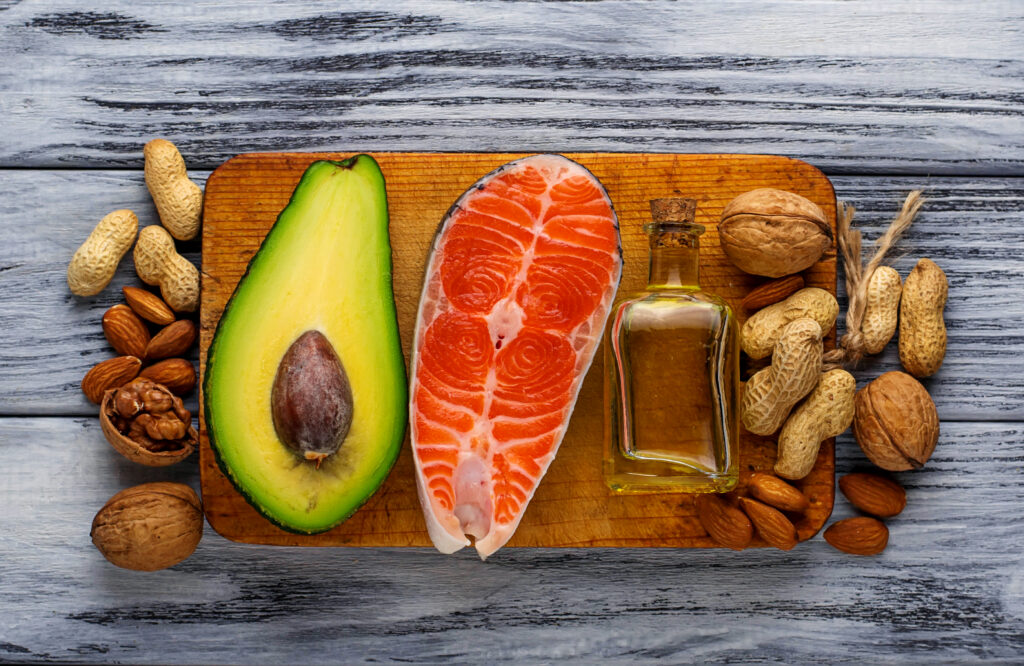
Regardless of these differences, it’s clear that a mutual understanding exists on the importance of these nutrients. Omega fatty acids are recognized universally as vital components of a nutritive diet. By ensuring you’re informed about these recommendations, you are empowered to make choices that support your health and align with expert advice. Aligning your dietary patterns with the established recommendations fosters a path to improved well-being and heart health.
The Dietary Dilemma: Sources of Omega Fatty Acids
As you navigate the complexities of nutritious eating, the selection of sources alimentaires for omega fatty acids inevitably presents a challenging dilemma. These essential nutrients are synonymous with wellness but are intertwined with ecological and health considerations. We’ll delve into the traditional reliance on fish oil for omega sustenance and juxtapose it with a burgeoning shift towards more sustainable oceanic sources that circumvent the environmental hurdles.
Fish Oil’s Nutritional Benefits and Environmental Concerns
Renowned for their richness in omega fatty acids, fish oil supplements are a common staple in health-conscious diets, revered for their contributions to heart, brain, and joint health. Yet, looming behind this nutritional powerhouse is the specter of contamination—where heavy metals and pollutants pose potential risks to your well-being. Beyond safety concerns, the harvest of these oils often leads to overfishing, straining our planet’s marine ecosystems and bringing into question the sustainability of such practices. This environmental impact compels us to scrutinize our choices and seek out alternatives that don’t deplete our oceans.

Phytoplankton: The Ultimate Source of Polyunsaturated Fats in the Marine Food Chain
At the base of the food chain, phytoplankton serve as the unassuming heroes of the ocean, providing a lifeline of nutrients to marine life. They are the original producers of omega-rich oils, later accumulated by fish—an indirect source for human consumption. Unlike their piscine counterparts, microalgae have a remarkable capacity to manufacture polyunsaturated fats without the risk of bioaccumulating toxins. This makes them a direct and uncontaminated source, showcasing their potential as eco-friendly alternatives to traditional fish oil. The presence and diversity of phytoplankton in our oceans underscore the importance of protecting marine biodiversity—not only for the health of our planet’s waters but also as crucial sources alimentaires in our quest for nourishment and wellbeing.
As you weigh the sources of omega fatty acids in your diet, consider how your choices impact both personal health and the broader environment. From the fish-rich depths of the sea to the microscopic lushness of algae, the quest for sustainable health is inextricably linked with stewardship of the natural world.
Microalgae: A Sustainable Source of VLC-PUFAs
As a reservoir of bioactive compounds, microalgae have drawn significant attention for their capacity to generate very-long-chain polyunsaturated fatty acids (VLC-PUFAs). These critical nutrients, vital for maintaining human health, are increasingly being recognized for their role within a framework of ecological sustainability. Innovations in how we harness the power of these microscopic powerhouses are reshaping our approach to health and environmental responsibility.

Biodiversity Screening and the Future of Algal Oil
Diverse species of microalgae have been identified as potent producers of VLC-PUFAs, establishing them as a sustainable resource for both dietary needs and broader industrial uses. Through focused biodiversity screening, researchers have pinpointed specific strains of microalgae that promise high yields of these coveted fatty acids. Selecting the right species is a game-changer in the quest to produce algal oil that could match or even surpass traditional sources in nutrition and sustainability terms.
Algal oil, derived from these select microalgae, emerges as an environmentally friendly alternative to fish-derived oils. Rich in both EPA and DHA, algal oil bypasses the environmental strain of overfishing, offering a solution that aligns with the growing demand for eco-conscious consumption.
Biotechnological Advances in Algal Lipid Extraction
Unlocking the full potential of microalgae requires technological finesse, especially when facing the challenge of efficiently extracting VLC-PUFAs. Often, these fatty acids are heavily integrated into the microalgae’s cellular structure, leading to complex extraction processes. Pioneering biotechnological advances are now streamlining this process, optimizing photosynthetic efficiency and enhancing lipid extraction methods to ensure a sustainable, high-quality yield of these precious oils.
Biotechnological strides have not only tuned the microalgae to produce more accessible VLC-PUFAs, but have also made algal oil processing more cost-effective and scalable. This has a cascade of benefits, opening the door to producing not only nutritional supplements but also providing a base for green chemistry applications, such as biofuels, bioplastics, and eco-friendly dyes.
As you incorporate these insights into your consumption habits, consider the broader implications of opting for algal-based products. Your choices could be instrumental in steering the global narrative towards a more sustainable and health-focused future.
Interplay Between Lipid Metabolism in Microalgae and Plant Organisms
L'exploration des lipid metabolism within microalgae et plant organisms has uncovered a vast panorama of biological ingenuity, allowing for a tailored approach to nutrient provisioning and health management. Both origins of life have honed unique systems for the synthesis and utilization of vital compounds, each with implications for global nutrition and ecological balance.

Insights from Arabidopsis thaliana Studies
Arabidopsis thaliana, a quintessential model in plant biology, has greatly contributed to our comprehension of lipid metabolism. The body of research on this organism has facilitated a foundational understanding, leading to hypotheses and applications that extend to the world of microalgae. While information remains more fragmentary for microalgae compared to its terrestrial counterparts, the parallels drawn from shared enzymatic pathways have wielded novel insights into these photosynthetic microorganisms.
Evolutionary Complexity and Nutrient Provisioning in Microalgae
Evolutionary complexity plays a pivotal role in the differing capacities of microalgae and higher plants to provide essential nutrients. Despite their smaller stature, microalgae are adept at directly producing very-long-chain polyunsaturated fatty acids (VLC-PUFAs), an attribute not extensively shared by plant organisms. This efficiency marks them as not only valuable but also indispensable players in the world nutrition market, offering a direct line to these vital health-augmenting lipids.
“The refined machinery of microalgae is superiorly adapted to synthesize and accumulate VLC-PUFAs, heralding a new era of sustainability and health.”
- Microalgae are robust producers of VLC-PUFAs, including the indispensable EPA and DHA.
- Plant studies, particularly on Arabidopsis thaliana, pave the way for breakthroughs in microalgal lipid research.
- The evolutionary simplicity of microalgae belies their intricate role in global lipid metabolism pathways, surpassing traditional plant-based fatty acid sources.
Diverse Health Benefits of Omega Fatty Acids
Delving into the realm of omega fatty acids unveils a spectrum of health benefits that extend well beyond basic nutrition. These mighty nutrients, integral to a thriving lifestyle, wield their powers across various facets of health. From bolstering skin and hair to safeguarding your vision, the impact of these PUFAs can be profound and multifaceted, reinforcing their status as pivotal components in your dietary regimen.
Improvements in Skin and Hair Health Through Omega Supplementation
When it comes to skin health, omega fatty acids emerge as natural allies. Supplementation has been linked to noticeable improvements in conditions such as psoriasis, atopic dermatitis, acne, and even skin ulcers. They contribute to the integrity and resilience of your skin, underlining their profound influence beyond essential nutrition. As for hair care, omega fatty acids aid in nourishing your scalp and follicles. Research suggests that they can stimulate hair growth, offering a lustrous, healthier appearance as they invigorate dermal papilla cells—the architects of hair growth.
Omega 3s: A Critical Component for Healthy Vision
Your eyesight, one of the most precious senses, also reaps the rewards of omega 3s. These fatty acids are crucial for the well-being of your retinas, the linchpin of your visual acuity. Studies show a protective effect of omega 3s against retinal degradation, hinting at their potential to shield against age-related deterioration. It’s no wonder optometrists routinely recommend incorporating omega-rich sources into your diet for vision improvement, embracing the prophylactic promise of PUFAs for ocular health. The broad spectrum of health benefits associated with omega fatty acids is a testament to their indispensable role and undisputed significance in holistic well-being.