

When it comes to your health, n-6 fatty acids are not just beneficial; they’re essential. Also known as omega-6 fatty acids, these acides gras essentiels play a vital role in brain function, growth, and development. Your body can’t produce these crucial nutrients, so it’s imperative to obtain them through sources alimentaires. Achieving a healthy balance between omega-6 and omega-3 fatty acids is key, a practice well-exemplified by the Mediterranean diet, which is associated with a lower risk of heart disease. The right intake of n-6 fatty acids not only supports bone health and metabolic processes but also encourages healthy skin and hair growth.
The road to achieving well-rounded nutrition requires a conscious effort to incorporate these acides gras essentiels into your diet. Knowledge of the health benefits et sources alimentaires of n-6 fatty acids can empower you to make informed dietary choices for a healthier lifestyle.
Principaux enseignements
- N-6 fatty acids are vital for maintaining brain health and supporting growth and development.
- These acides gras essentiels must be sourced from your diet as your body cannot produce them.
- Maintain your health with a balance of n-6 and omega-3 fatty acids, similar to the Mediterranean diet for reduced heart disease risk.
- N-6 fatty acids are key to stimulating skin and hair growth, maintaining bone health, and supporting a healthy metabolism.
Introduction to N-6 Fatty Acids
Embarking on a journey into the world of fats may seem complex, but understanding omega-6 fatty acids is a crucial step towards optimizing your metabolic health and nurturing your brain health. These powerhouses of nutrition are a subgroup of polyunsaturated fatty acids, which hold a significant place in the realm of essential nutrients.
The Vital Role of N-6 Fatty Acids in Your Health
With every meal that you consume, you’re not only satisfying hunger but also fueling your body with vital ingredients for its proper functioning. Omega-6 fatty acids, such as linoleic acid (LA) et arachidonic acid (AA), are key players in this process. Their presence in the body is non-negotiable — they are essential for a variety of physiological processes including the growth of healthy skin and hair, bone strength, and fertility.
Omega-6 fatty acids are integral for maintaining a dynamic and responsive immune system. With every dose of these essential nutrients, you’re bolstering your body’s ability to fend off adversity, be it physical stress or potential pathogens.
Essential vs. Non-Essential Fatty Acids
While all fats play a role in your well-being, acides gras essentiels are unique because your body lacks the machinery to produce them on its own. They must be procured through diet, underscoring the importance of selecting foods rich in these life-sustaining compounds. In contrast, non-acides gras essentiels can be synthesized internally, which means your dietary choices need not focus on them quite as stringently.
Let’s delve deeper into the profile of omega-6 fatty acids — a testament to the profound impact dietary choices can have on your overall health:
| Omega-6 Fatty Acid | Primary Role | Principaux avantages |
|---|---|---|
| Linoleic Acid (LA) | Building Block for Cell Membranes | Skin & Hair Growth, Bone Health |
| Arachidonic Acid (AA) | Pro-inflammatory and Pro-resolving Mediator | Supports Immune Function, Growth & Development |
| Gamma-Linolenic Acid (GLA) | Anti-inflammatory Properties | May Reduce Chronic Inflammation, Improve Diabetic Neuropathy |
By ensuring you have a bounty of these essential compounds, you’re not just investing in your present-day wellness; you’re paving the way for a more vibrant and resilient future. Bearing in mind the quintessential role they play, let’s march forward in nurturing our bodies with a diet thoughtfully laden with omega-6 fatty acids.
Navigating the Balance: Omega-6 and Omega-3 Ratios
When you approach your diet, the balance between omega-6 and omega-3 fatty acids is more than a numerical exercise—it’s a critical aspect of your health and wellbeing. The stark contrast in fatty acid ratios between the standard Western diet and the Mediterranean diet highlights the growing concerns regarding dietary imbalance and its consequences. By exploring these ratios and their impact on health, you can make informed decisions that support your body’s needs.
Impact of Western Diets on Fatty Acid Ratios
The typical Western diet alarmingly favors omega-6 fatty acids over omega-3 fatty acids, with ratios often stretching between 14:1 to 25:1. This imbalance leans towards a diet high in processed foods and meats, which are abundant in omega-6 fatty acids, and low in fish and plant-based foods that offer higher amounts of omega-3 fatty acids. Such a skewed ratio has been linked to a host of health concerns, including an elevated risk of l'inflammation and complex regional pain syndrome.

The Ideal Ratio for Health and Wellbeing
For those looking to foster an environment of health and longevity within, the Mediterranean diet offers a beacon of balance, typically showcasing more equitable ratios of omega-6 to omega-3 fatty acids. Such dietary patterns not only reflect a consumption closer to the recommended 2:1 to 4:1 ratio but are also associated with reduced l'inflammation and a lower incidence of heart disease. Achieving this balance is an exercise in dietary awareness—one that invites a range of healthful and diverse foods into your routine.
As you continue on your nutritional journey, remember the importance of maintaining the delicate harmony between omega-6 and omega-3 fatty acids. By doing so, you’ll actively support your body’s anti-inflammatory processes and overall health, empowering you to thrive both today and into the future.
The Science Behind N-6 Fatty Acids and Inflammation
Within the vast landscape of dietary fats, n-6 fatty acids have garnered attention for their complex relationship with inflammation. This intricate connection stems from the body’s production of molecules known as eicosanoids, which serve as critical mediators in the inflammatory response. As you seek to understand how these fatty acids impact your health, it is important to distinguish their individual roles and the effects they may have within your body.

Pro-inflammatory and Anti-inflammatory Eicosanoids
Eicosanoids are potent lipid compounds akin to hormones, playing key roles in various bodily functions including the inflammatory process. They can be synthesized from omega-6 fatty acids, primarily from arachidonic acid (AA), a derivative of linoleic acid. AA is known for yielding eicosanoids that can promote inflammation, acting as important cellular signals in immune responses.
Cependant, tous les eicosanoids evoke inflammation. The body’s ability to toggle between pro-inflammatory and anti-inflammatory states is partly due to the types of fatty acids available for eicosanoid production. Here, a balance between opposing types of eicosanoids helps regulate inflammation, cementing the significant role dietary fats play in managing your health.
Complex Role of Gamma-Linolenic Acid (GLA) in Inflammation
Gamma-linolenic acid (GLA), found in plant oils such as evening primrose oil, stands out for its anti-inflammatory potential. Unlike AA, GLA may counteract inflammation by promoting the production of Dihomo-gamma-linolenic acid (DGLA), another type of anti-inflammatory eicosanoid. These beneficial properties make GLA a focus of interest for those looking to mitigate inflammation through natural sources alimentaires.
It’s fascinating to note that the conversion of GLA to its anti-inflammatory form, DGLA, is influenced by adequate levels of certain nutrients, including magnesium, zinc, and vitamins C, B3, and B6. This multifaceted interaction not only underlines the nuanced role omega-6 fatty acids have in inflammation but also showcases the interconnectedness of your diet, nutrient absorption, and overall inflammatory response.
To provide you with further clarity on the interplay between these compounds, let’s consider their roles in a more structured manner:
| Omega-6 Fatty Acid Type | Derived Eicosanoid | Impact on Inflammation |
|---|---|---|
| Arachidonic Acid (AA) | Pro-inflammatory Eicosanoids | Potential to increase inflammation |
| Gamma-Linolenic Acid (GLA) | Dihomo-gamma-linolenic acid (DGLA) | Potential to alleviate inflammation |
By recognizing the roles that essential nutrients, such as n-6 fatty acids, play in your body’s inflammation pathways, you lay the groundwork for more empowered health decisions. Whether it’s through dietary choices or supplementation, being informed about the sources and effects of gamma-linolenic acid and other related compounds can help you manage and possibly reduce unwanted inflammation.
Nourishing Your Body with N-6 Fatty Acids
Rich and plentiful, n-6 fatty acids are the silent guardians of your body’s well-being, pivotal for myriad physiological functions that ensure you stay vibrant and active. These essential nutrients are found in a variety of food sources, with vegetable oils taking the lead as the primary carriers of linoleic acid (LA), an n-6 fatty acid that greatly enriches your dietary intake in several important ways.
N-6 fatty acids are not mere components of your diet; they are essential players in maintaining health. They feature prominently in sustaining the integrity of your skin and hair, contributing to their lustrous and healthy appearance. Deeper within, they support bone health, ensuring your framework remains strong.
When it comes to internal wellness, these fatty acids streamline your metabolism, regulating it to optimal efficiency. Additionally, in the dance of life creation, their role in fostering a robust reproductive system cannot be understated—truly, they root themselves at the very core of our vitality.
Contrary to popular belief, the abundance of n-6 fatty acids in a typical diet often eliminates the need for additional supplementation unless dealing with certain specific health issues. The table below outlines some of the richest food sources of n-6 fatty acids and their content, aiding you in making informed dietary choices.
| Source alimentaire | N-6 Fatty Acid Content |
|---|---|
| Walnuts | 10.8g per 1oz serving |
| Grilled Chicken | Approx. 2g per 3oz serving |
| Toasted Wheat Germ | 6.9g per 1oz serving |
| Vegetable Oils (Corn oil, Soybean oil, etc.) | Varies, but typically high |
| Pumpkin Semences | 8.5g per 1oz |
The Mediterranean diet serves as an exemplar, championing a balance where n-6 fatty acids are consumed in harmony with omega-3s—a key factor attributed to the diet’s association with reduced cardiovascular risks and overall inflammation reduction.
For most, the challenge is not in acquiring more n-6 fatty acids, but in fine-tuning their dietary patterns to optimize nutrient intake for a healthier life. Remember, balance is paramount, and you wield the power to calibrate it with every meal.
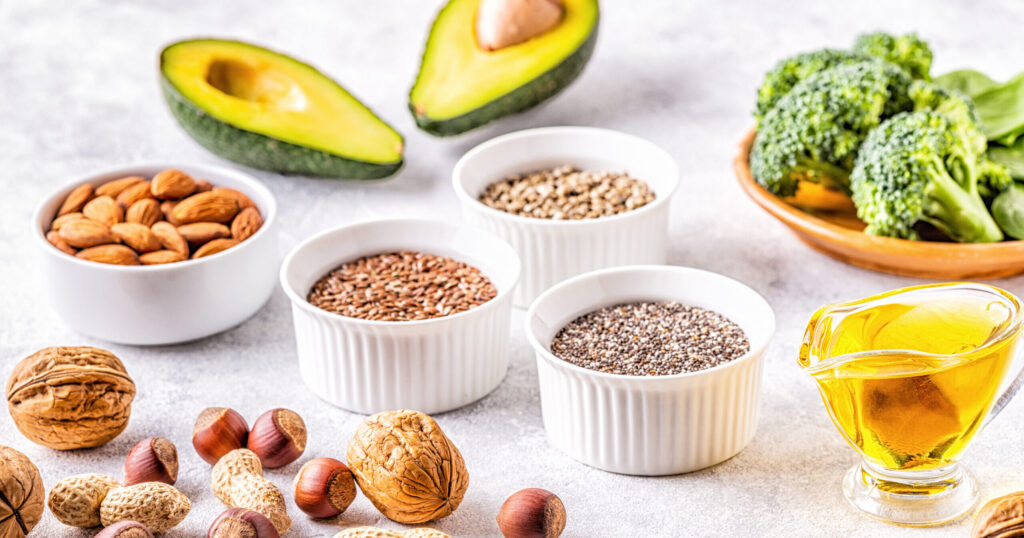
As you shape your dietary landscape with the rich tapestry of fatty acids, watch as your health mirror the inputs—your glowing skin, buoyant energy levels, and fortified bones all testament to the power of n-6 fatty acids in your diet.
Exploring the Health Benefits of N-6 Fatty Acids
In the quest for Une santé optimale, n-6 fatty acids have emerged as pivotal elements, offering a multitude of benefits that extend beyond traditional nutritional value. These essential compounds, which include linoleic acid et gamma-linolenic acid, play crucial roles in various bodily functions, supporting everything from the vitality of your skin to the efficiency of your metabolic processes. Let’s delve into the ways n-6 fatty acids can contribute to your overall well-being.
Benefits for Skin and Hair Health
Your quest for radiant skin and healthy hair growth may find its ally in the world of n-6 fatty acids. These essential nutrients, particularly linoleic acid, not only contribute to the maintenance of skin health but also encourage robust hair growth. Incorporating dietary sources rich in these fatty acids can help fortify your skin’s barrier and offer a lustrous sheen to your hair.

Maintaining Healthy Metabolism and Reproductive System
Furthering their reach, n-6 fatty acids also play a significant role in maintaining a healthy metabolism and a well-functioning reproductive system. Linoleic acid is key to these processes, ensuring that your body’s metabolic pathways operate smoothly and supporting reproductive health at the cellular level.
Potential Therapeutic Effects on Chronic Health Conditions
Perhaps one of the most intriguing aspects of n-6 fatty acids, particular gamma-linolenic acid (GLA), is their potential therapeutic effects on chronic health conditions. GLA’s anti-inflammatory properties may provide some relief for individuals grappling with issues like diabetic neuropathy and rheumatoid arthritis. Explore the possibility of integrating these fatty acids into your regimen to tap into their potential benefits for managing long-term health challenges.
Diverse Sources of N-6 Fatty Acids
Understanding and incorporating n-6 fatty acids into your diet is a strategic move towards a healthier lifestyle. With a multitude of dietary sources available, these essential nutrients are easier to consume than you might think. Discovering the variety of foods that are rich in linoleic acid and gamma-linolenic acid can help you balance your omega intake and promote overall well-being.

Plant-Based Oils and Foods Rich in N-6 Fatty Acids
Plant-based oils such as soybean oil, corn oil, et sunflower oil are excellent dietary sources of n-6 fatty acids. They provide significant amounts of linoleic acid, which is a cornerstone of cellular health. In addition to these vegetable oils, seeds—like sunflower et pumpkin seeds—as well as nuts such as walnuts et almonds, not only offer a crunchy respite in your diet but are also laden with these potent fatty acids.
Integrating N-6 Fatty Acids into Your Diet
Adopting a mindful approach towards integrating n-6 fatty acids into your diet can be beneficial. This entails combining the rich sources of these nutrients with adequate omega-3 rich foods to establish a harmonious balance. Such an approach ensures that you are not only treating your body to essential nutrients but also supporting it in maintaining a healthy inflammatory response.
| Source alimentaire | N-6 Linoleic Acid Content |
|---|---|
| Soybean Oil | High in linoleic acid |
| Walnuts | Rich in linoleic acid |
| Sunflower Semences | Excellent source of linoleic acid |
| Amandes | Contains linoleic acid |
| Spirulina | Contains GLA |
By focusing on integrating these seeds, nuts, et vegetable oils into your diet, you’re not just enhancing your meals with delightful textures and flavors; you’re also enriching your nutrition with the essential n-6 fatty acids that serve as building blocks for a healthy you.
Unraveling the Types of Omega-6 Fatty Acids
As we delve into the realms of n-6 fatty acids, it’s essential to understand the distinct types that play pivotal roles in our health. Omega-6 fatty acids, primarily present in dietary fats, are indispensable for healthy living and involve a range of bioactive compounds.
Linoleic Acid (LA): The Most Common Omega-6
Linoleic acid (LA) stands as the most abundant omega-6 fatty acid in many diets, predominantly found in plant-derived oils. It serves as a cornerstone for the synthesis of other long-chain fatty acids and is instrumental in maintaining cell membrane integrity, thereby underpinning numerous bodily functions crucial to your well-being.
Benefits and Functions of Gamma-Linolenic Acid (GLA) and Arachidonic Acid (AA)
From LA emerges gamma-linolenic acid (GLA), a unique n-6 fatty acid renowned for its anti-inflammatory effects. It paves the way for arachidonic acid (AA), a pivotal participant in the inflammatory response critical for immune function. Yet, while AA is affiliated with pro-inflammatory processes, GLA is celebrated for its ability to dampen inflammatory reactions, which has therapeutic implications for various conditions.
Ensuring a balanced intake of these fatty acids is vital, as they contribute to the intricate dance of controlling inflammation within our bodies. Here’s a closer look at the functionality and impact of these key dietary fats:
| Type d'acide gras | Significant Role | Health Implications |
|---|---|---|
| Linoleic Acid (LA) | Prevalent omega-6 fatty acid | Vital for cell membrane integrity |
| Gamma-Linolenic Acid (GLA) | Anti-inflammatory properties | May aid in reducing symptoms of diseases like rheumatoid arthritis and diabetic neuropathy |
| Arachidonic Acid (AA) | Pro-inflammatory mediator | Essential for normal inflammation required for healing and defense mechanisms |
These varied forms of n-6 fatty acids ensure your body is equipped with the elements needed to maintain Une santé optimale, featuring prominently in the management of inflammation, a critical factor in many chronic diseases.

Whether obtained through your diet or supplements, it’s important to consume these fatty acids under medical guidance, given their potent biological effects. Strive for a well-rounded nutritional profile, integrating a variety of food sources rich in n-6 fatty acids—a concerted step towards nourishing your body and promoting longevity.
Risks and Considerations When Supplementing with N-6 Fatty Acids
While the inclusion of n-6 fatty acids in your diet can confer a range of health benefits, it’s crucial to approach supplementation with caution. Excessive intake, especially through supplements, may pose unintended health risks and interactions. It’s important to weigh the potential side effects and consult with healthcare professionals to ensure safe and effective use.
Understanding Potential Side Effects
Omega-6 supplements, such as evening primrose oil—rich in gamma-linolenic acid (GLA)—are commonly used for their health benefits. However, these supplements can lead to certain side effects, particularly when taken in doses exceeding 3000 mg a day. Some of the common side effects associated with n-6 fatty acid supplements include:
- Maux de tête
- Abdominal pain
- Nausées
- Loose stools
It’s vital to be aware of these side effects and start with the lowest possible dose under medical supervision. Adjustments to dosage should be made with professional guidance, as individual tolerance and health conditions vary greatly.
Interactions with Medications and Health Conditions
Omega-6 supplements not only have the potential for side effects but can also interact with certain medications and health conditions. Those with seizure disorders should be particularly cautious, as omega-6 fatty acids have been reported to trigger seizures in some individuals. Additionally, if you’re at risk of or have been diagnosed with prostate cancer, discuss the risks and benefits of omega-6 supplementation with your doctor. As omega-6 fatty acids can affect blood pressure, those on antihypertensive medications or with hypertension should also seek advice before supplementation.
Before incorporating supplements like evening primrose oil into your routine, it is essential to do so under medical supervision. This ensures that any potential interactions with medications or existing health conditions are carefully managed.

Remember, getting n-6 fatty acids from whole food sources is typically preferred over supplements. If you choose to supplement, here’s a guide to help you understanding the types of issues to consider:
| Condition/Concern | Recommendation |
|---|---|
| Seizure Disorders | Avoid omega-6 supplements or proceed with extreme caution. |
| Prostate Health Risks | Consult with healthcare professionals before supplementing. |
| Medication Interactions | Review all medications with a healthcare provider to avoid interactions. |
| High Blood Pressure | Monitor blood pressure and consult with a doctor about the safe use of omega-6. |
To safeguard your health, make informed decisions about n-6 fatty acid supplementation with the guidance of a healthcare provider, and be vigilant about the dosage and potential effects on your body.
Conclusion
As we conclude our exploration into the world of n-6 fatty acids, it’s evident that these essential fatty acids are integral to maintaining Une santé optimale. A alimentation équilibrée rich in both n-6 and omega-3 fatty acids is not only a cornerstone of nutrition but also an active measure against inflammation and other chronic health issues. The key takeaway is clear: both the quality and ratio of these powerful nutrients matter greatly. To navigate this equilibrium, dietary recommendations emphasize a conscious fitting of these fats into your daily intake, aiming to enhance your vitality and reduce potential health risks associated with imbalance.
Harmonizing Intake of Essential Fatty Acids for Optimal Health
Your journey towards health doesn’t just revolve around eliminating the bad, but also including the good — and this is where acides gras essentiels play a pivotal role. In striving for Une santé optimale, you need to ensure that your body receives a harmonized balance of n-6 and omega-3 fatty acids. This balance is foundational to anti-inflammatory processes vital for your body’s wellbeing. By adopting dietary patterns that reflect a balance akin to the Mediterranean diet, you’re taking a stride towards a future of enhanced health and reduced risk of disease.
Adopting a Balanced Approach to N-6 Fatty Acid Consumption
As you move forward, let the principles of a alimentation équilibrée guide your nutritional choices. Although n-6 fatty acids are prevalent in modern Western diets, adjusting your intake to include more omega-3 fatty acids can steer you towards better health outcomes. It’s not just about reducing certain elements of your diet; it’s about enhancing and diversifying. As always, consult with healthcare professionals to tailor these recommendations to your unique needs, ensuring a dietary pattern that supports your health goals, reflects your lifestyle, and brings forward the benefits of these essential nutrients.