
Introduction to Molybdenum
Molybdenum is an essential trace mineral that the body needs to activate enzymes that help break down harmful sulfites and prevent toxins from building up in the body. Although the body requires only a very small amount of molybdenum, it plays a fundamental role in various bodily functions, including carbohydrate metabolism, waste processing in the kidneys, and development of the nervous system.
Food Sources of Molybdenum
Molybdenum is found in a variety of foods, including:
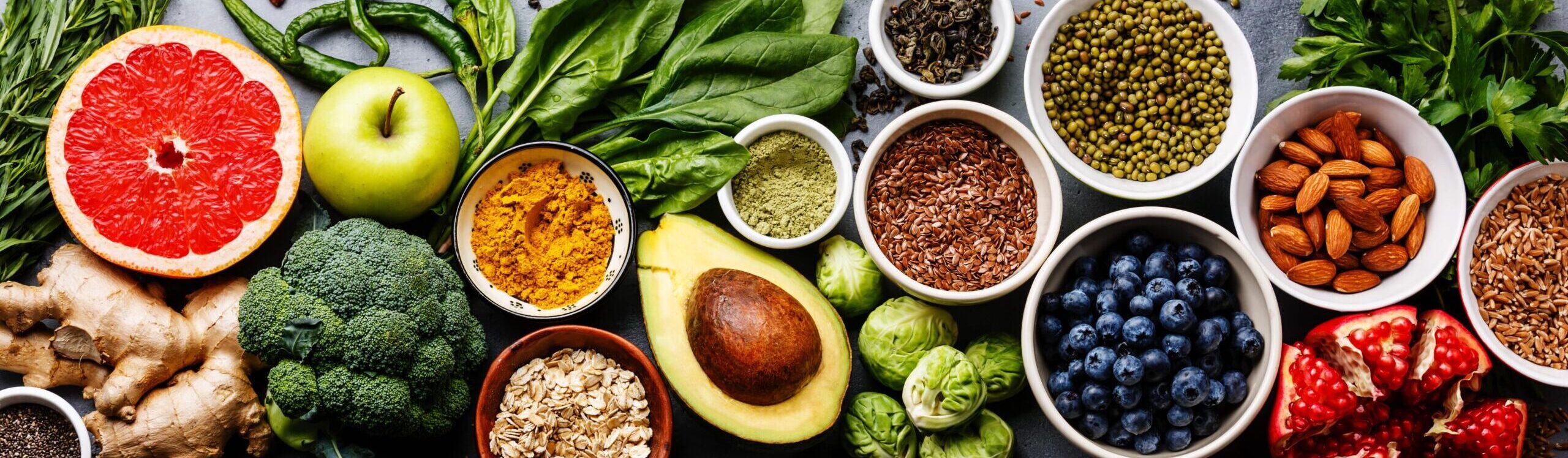
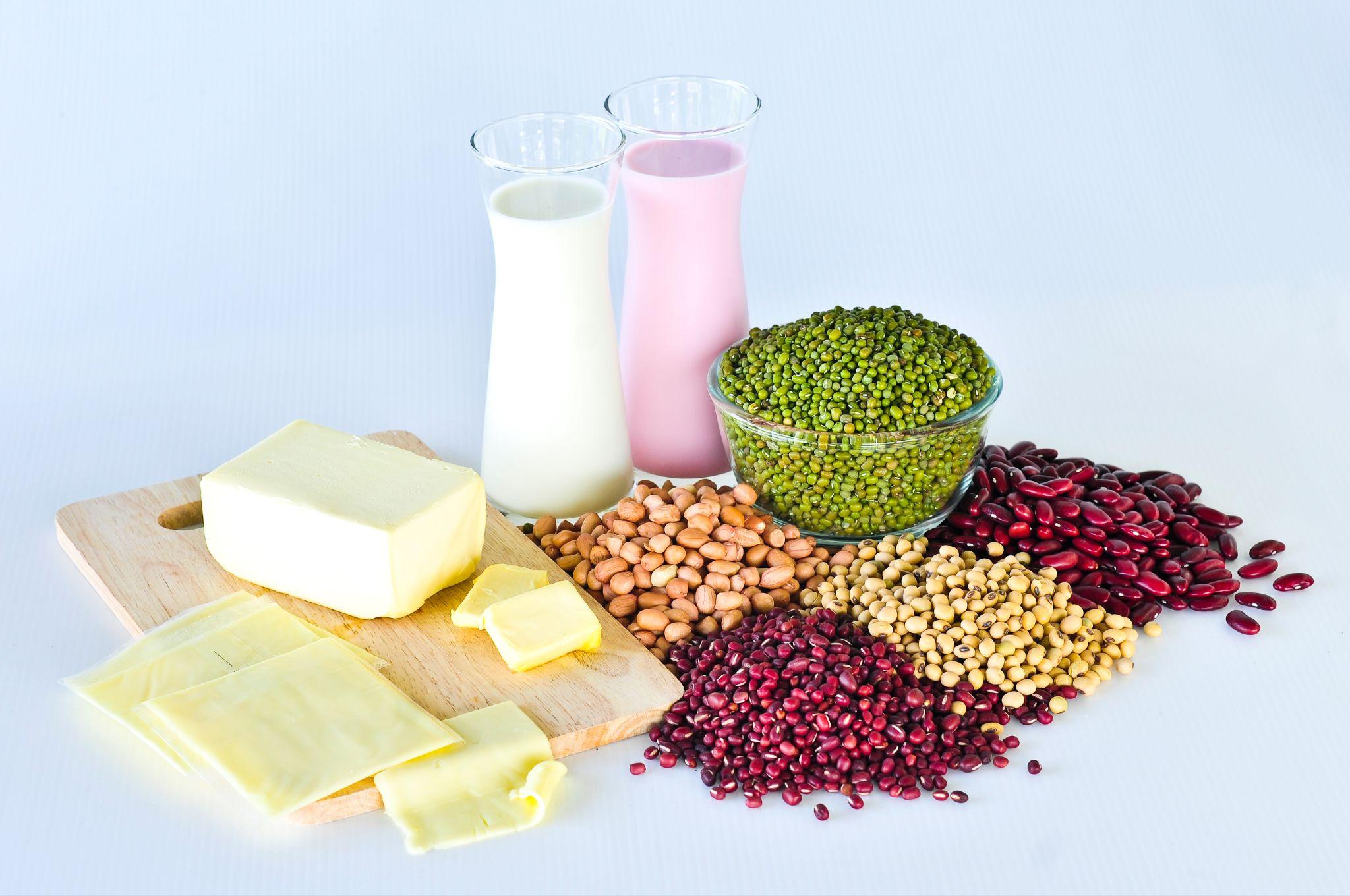
- Legumes (such as lentils, peas, and soybeans)
- Whole grains (such as oats and brown rice)
- Noix
- Leafy vegetables (such as spinach)
- Dairy products
- Organ meats (such as liver)
- The mineral content of food can vary depending on the soil content of the area where the food is grown.
Functions and Benefits of Molybdenum
Some of the key functions and benefits of molybdenum include:
- Enzyme Activation: Molybdenum activates several enzymes that are important for various body functions, including waste processing in the kidneys, development of the nervous system, and energy production in cells.
- Sulfite Detoxification: Molybdenum plays a key role in transforming sulfites into harmless sulfates in the body. This function prevents the build-up of sulfites, which can cause allergic reactions in some individuals.
- Metabolic Health: Molybdenum is involved in various metabolic processes, including the breakdown and use of amino acids.
Deficiency Symptoms of Molybdenum
Molybdenum deficiency is extremely rare. However, should it occur, potential symptoms include:
- Increased heart rate
- Maux de tête
- Night blindness
- Mental confusion
Excess Symptoms of Molybdenum
Excessive intake of molybdenum can lead to toxicity, which may manifest as:
- Gout-like symptoms
- Elevated uric acid levels
- Diarrhea
- Anemia
Recommended Daily Intake of Molybdenum
The recommended daily intake of molybdenum varies by age:
- Infants (0-6 months): 2 micrograms (mcg)
- Infants (7-12 months): 3 mcg
- Children (1-3 years): 17 mcg
- Children (4-8 years): 22 mcg
- Children (9-13 years): 34 mcg
- Teens (14-18 years): 43 mcg
- Adults: 45 mcg
Absorption and Interactions of Molybdenum
Molybdenum is absorbed through the gastrointestinal tract and is excreted through the urine. Certain factors such as high consumption of copper and sulfur can interfere with the absorption of molybdenum.
Deficiency Diseases or Conditions Related to Molybdenum
Although molybdenum deficiency is extremely rare, it could potentially lead to metabolic disturbances and an inability to detoxify harmful substances in the body.
Toxicity or Overdose Effects of Molybdenum
Molybdenum toxicity is also rare but can occur with industrial mining and metalworking exposure. Consuming food and water with high levels of molybdenum can lead to increased blood levels of uric acid, which can cause gout-like symptoms.
Special Considerations for Molybdenum
People living in regions with molybdenum-poor soil may have a higher risk of deficiency. Also, people with a genetic disorder that inhibits the body’s ability to use molybdenum may require medical treatment.
Additional Facts about Molybdenum
- The amount of molybdenum found in foods can greatly depend on the molybdenum content of the soil in which the food was grown.
- Molybdenum works in the body as a cofactor for four main enzymes: sulfite oxidase, xanthine oxidase, aldehyde oxidase, and mitochondrial amidoxime reducing component (mARC).
- The name molybdenum originates from the Greek word “molybdos,” meaning lead. It was often confused with lead minerals in the past.
Liens de source
- National Institutes of Health (NIH) – Office of Dietary Supplements: Molybdenum
- World Health Organization (WHO) – Trace Elements in Human Nutrition and Health
- Mayo Clinic – Molybdenum Supplements
- Harvard T.H. Chan School of Public Health – The Nutrition Source: Molybdenum