Introduction to Methionine
Methionine is an essential amino acid crucial for maintaining human health. It must be obtained through the diet as it is not synthesized by the body. This amino acid is fundamental in the synthesis of proteins and other important molecules such as cysteine, taurine, and glutathione, and plays a key role in the methylation of DNA which is essential for cellular function and gene expression.
Food Sources of Methionine
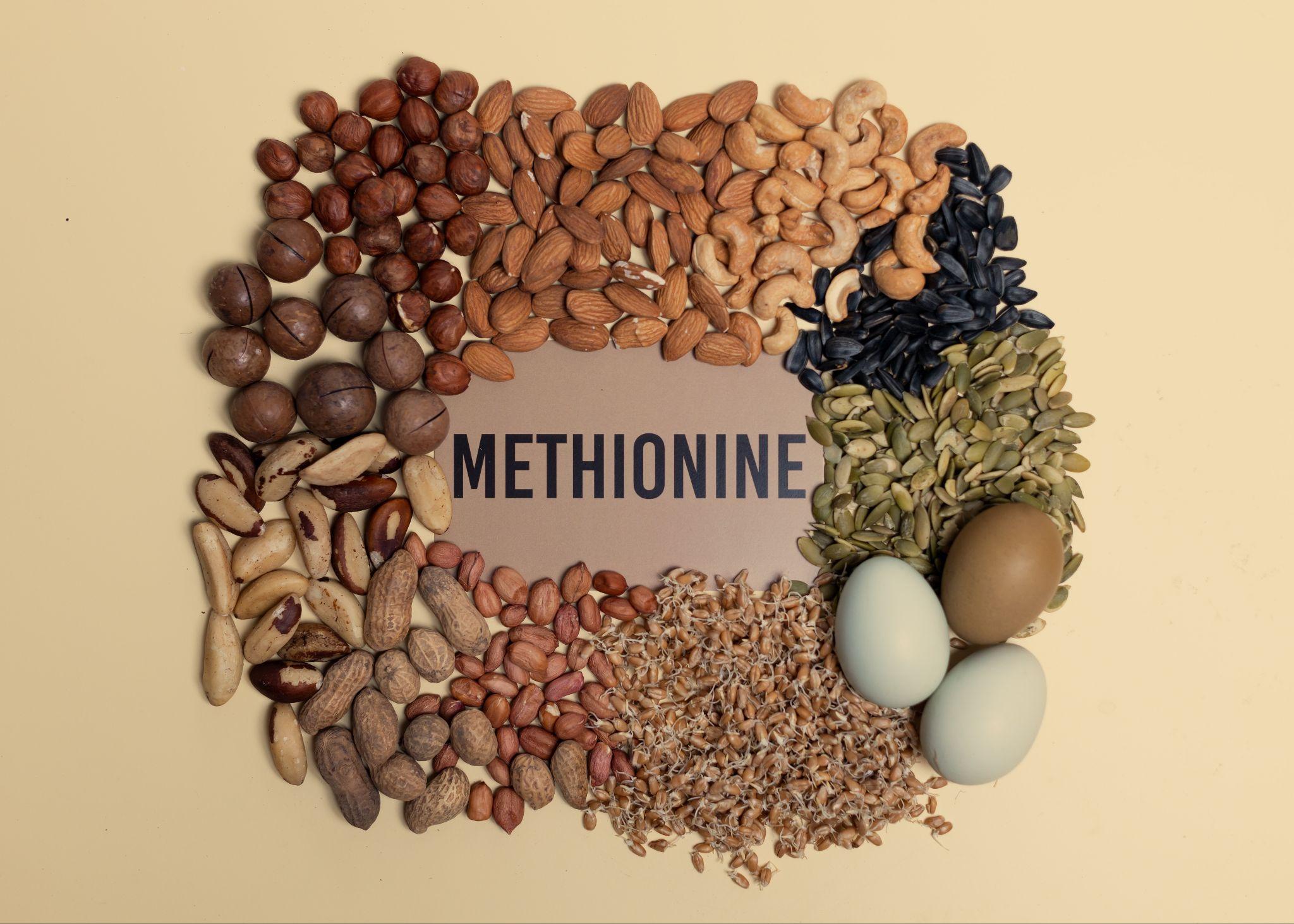
Methionine is primarily found in high-protein foods. This includes:
- Animal Products: Beef, poultry, pork, fish, and eggs are excellent sources.
- Produits laitiers : Such as milk, cheese, and yogurt.
- Sources végétales : Includes nuts and seeds like sesame seeds and Brazil nuts, grains such as wheat germ and oats, and legumes like soybeans and chickpeas.
Functions and Benefits of Methionine
Methionine supports a wide array of bodily functions, which are crucial for overall health:
- Protein Synthesis: It is a building block of proteins necessary for the construction of muscles and other tissues.
- Désintoxication : Methionine assists in detoxifying harmful substances in the liver and aids in the production of glutathione, a potent antioxidant.
- Lipid Metabolism: It plays a role in the metabolism of fats, aiding their breakdown and utilization.
- Joint Health: As a precursor to sulfur-containing molecules, methionine is essential for the maintenance of healthy connective tissues and joints.
Deficiency Symptoms of Methionine
A lack of methionine can lead to various health issues, including:
- Muscle loss and weakness.
- Fatigue and increased susceptibility to infections.
- Skin and hair health issues.
- Development of fatty liver disease due to impaired fat metabolism.
Excess Symptoms of Methionine
While rare, an excess intake of methionine, particularly through supplements, can pose health risks:
- Increased levels of homocysteine, associated with heart disease.
- Potential toxicity symptoms like nausea and vomiting.
- Increased risk of certain cancers if not balanced with other amino acids.
Recommended Daily Intake of Methionine
The recommended intake of methionine is generally included within the total dietary protein recommendation, typically ranging from 0.8 grams to 1.2 grams per kilogram of body weight for adults.
Absorption and Interactions of Methionine
- Absorption : Methionine is efficiently absorbed in the small intestine.
- Interactions : Its utilization can be influenced by the presence of other amino acids and the overall protein intake in the diet.
Deficiency Diseases or Conditions Related to Methionine
- Anemia: Due to its role in the synthesis of heme, a component of hemoglobin.
- Oxidative Stress: Methionine is vital for the production of glutathione, an antioxidant that helps combat oxidative stress.
- Liver Damage: Impaired fat metabolism and accumulation can lead to liver damage.
Toxicity or Overdose Effects of Methionine
Excessive methionine can lead to health issues such as elevated homocysteine levels, which can increase the risk of cardiovascular diseases and potential liver damage from the accumulation of sulfur-containing metabolites.
Special Considerations for Methionine
- Restrictions alimentaires : Individuals with conditions affecting methionine metabolism, like homocystinuria, and those on vegetarian or vegan diets, need to carefully manage their intake.
- Supplémentation Attention : Due to the risks associated with high intake, supplementation should be approached with caution.
Additional Facts about Methionine
Methionine was first isolated in 1921 from casein. As one of the few sulfur-containing amino acids, it plays an indispensable role in a range of cellular functions, underscoring its importance despite the potential risks associated with high intake.
Liens sources
- National Institutes of Health (NIH) - Office of Dietary Supplements (Bureau des compléments alimentaires) : Acides aminés
- Healthline – Methionine: Benefits, Side Effects, Dosage, and Interactions
- Mayo Clinic – Methionine supplements
- PubChem – Methionine