
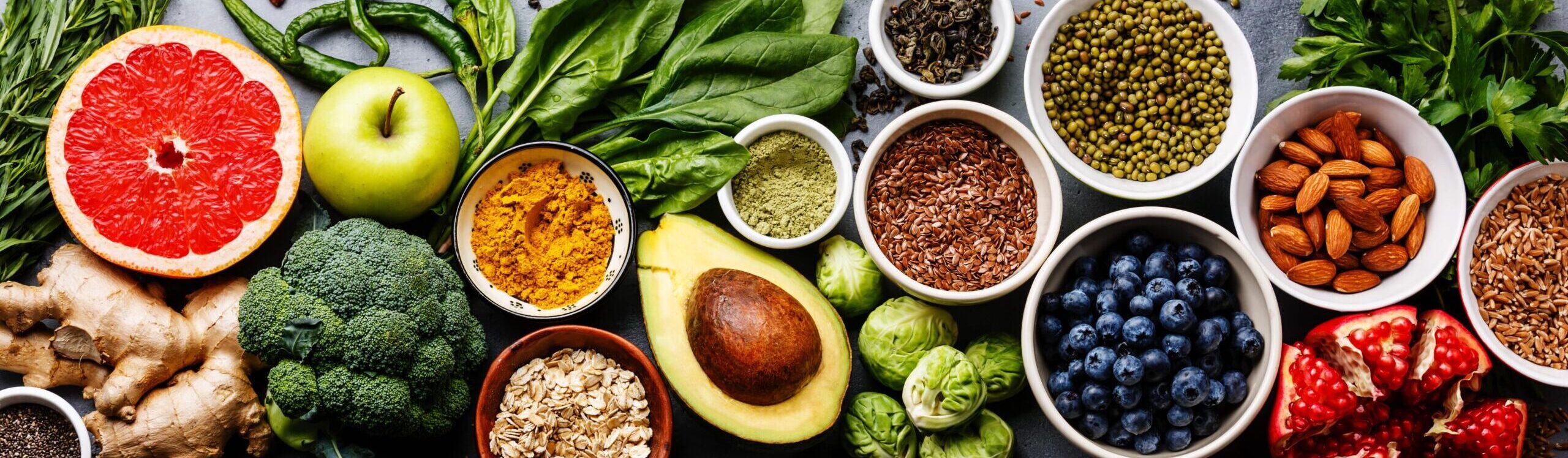
As you navigate the complex world of acides aminés, it’s essential to understand the roles phenylalanine & tyrosine play in your overall well-being. These acides aminés are at the heart of numerous physiological processes, including régulation de l'humeur et cognitive function. By ensuring you consume an adequate amount of these compounds through your diet, you’re not just nourishing your body—you’re also supporting the intricate pathways that manage your emotions and sharpen your mind.
While your body adeptly converts phenylalanine into tyrosine, the latter being a nonessential amino acid, it plays an indispensable part in the synthesis of neurotransmitters such as dopamine. These neurotransmitters are crucial for maintaining a balanced mood, proper brain function, and a robust response to stress. Moreover, the conversion of phenylalanine to tyrosine aids in the production of melanin, giving color to your hair and skin.
Whether you’re looking to enhance your mental acuity or maintain a stable emotional state, delving into the benefits of these acides aminés can open up pathways to improved health. So, let’s dive deeper into how phenylalanine and tyrosine can elevate your quality of life.
Principaux enseignements
- Phenylalanine is essential for producing tyrosine, which is critical for neurotransmitter synthesis.
- Understanding the conversion of phenylalanine to tyrosine is key to appreciating their impact on régulation de l'humeur et cognitive function.
- Tyrosine not only supports brain health but also contributes to the pigmentation of your hair and skin.
- Proper levels of these amino acids sustain the body’s response to stress and promote mental alertness.
- A well-rounded diet rich in phenylalanine & tyrosine can aid in maintaining emotional stability and enhancing mental clarity.
The Role of Amino Acids in Your Health
Amino acids, often described as the building blocks of proteins, are fundamental to countless biological processes in your body. They contribute not only to the structural components of cells but also play a pivotal role in the synthesis of hormones and neurotransmitters, impacting everything from your muscle growth to your mental health. To appreciate their full impact, it’s crucial to discern between two classifications of amino acids: essential and nonessential.
Essential Vs. Nonessential Amino Acids
Acides aminés essentiels are ones that your body cannot produce on its own; hence, they must be obtained through the foods you eat. Phenylalanine stands out as a perfect exemplar of these imperative dietary components. On the flip side, nonessential amino acids like tyrosine are typically abundant within the body due to innate synthesis processes.
How Phenylalanine & Tyrosine Function in the Body
Concentrating on phenylalanine et tyrosine unveils a fascinating biological narrative where one is the precursor to the other—phenylalanine gets converted into tyrosine, which is instrumental in neurotransmitter synthesis, including dopamine synthesis. This conversion underlies not just synthèse des protéines but also the intricate work of neurotransmitters that support régulation de l'humeur, alertness, and cognitive functionality.
Consider the importance of dopamine, for instance—a neurotransmitter that’s a vital player in the brain’s reward system and emotional response mechanism. Without sufficient tyrosine, which arises from phenylalanine, the body may be challenged in its ability to produce enough dopamine, potentially leading to mood disorders and cognitive impairments.
| Amino Acid Type | Exemples | Avantages | Significance |
|---|---|---|---|
| Essential | Phénylalanine | Predecessor for nonessential amino acids; supports growth and repair | Mandatory dietary intake for protein and neurotransmitter production |
| Nonessential | Tyrosine | Foundational in hormone production; aids pigmentation of hair & skin | Supports neurotransmitter synthesis; integral for mood and cognitive health |
As you incorporate healthy proteins into your diet, remember that these foundational compounds do more than fuel your workouts. They contribute to the delicate balance of neurotransmitters like epinephrine, norepinephrine, and dopamine—all because of the essential roles played by amino acids such as phenylalanine and its derivative, tyrosine. Awareness of these processes empowers you to nurture your well-being from the molecular level upward.
Introducing Phenylalanine & Tyrosine
At the heart of synthèse des protéines and various vital physiological functions within your body lie the amino acids phenylalanine and tyrosine. As you explore the myriad of amino acids roles, it becomes evident how these two are foundational for health and well-being, not just as the building blocks of proteins but as precursors to neurotransmitters that influence your mood and cognitive abilities.
Understanding their conversion process sheds light on the broader phenylalanine & tyrosine benefits that promote everything from mood enhancement à skin pigmentation. Let’s embark on a journey through the complex interaction of these essential compounds and their profound effect on the human body.
The Building Blocks of Protein Synthesis
Phenylalanine, an essential amino acid found in foods rich in protein, is a critical consumable that you need to obtain through your diet. Once absorbed into your system, it encounters a remarkable transformation, as your body converts it into tyrosine. This nonessential amino acid then takes part in countless cellular processes, particularly the synthesis of nearly every protein in the body. Whether it’s fueling your muscles or supporting vital organ function, tyrosine is omnipresent, quietly contributing to your physical resilience and vitality.
Understanding the Conversion Process
The conversion of phenylalanine to tyrosine is a biochemical marvel that underscores the intricate balance maintained within our bodies. This process paves the way for tyrosine to assume its role in producing neurotransmitters—chemical messengers like dopamine that are integral to our neurological function and emotional states.

As a result, the ample presence of these amino acids is directly connected to neurotransmitter effects, bolstering memory, alertness, and even the body’s response to stress. Neglecting these dietary components could disrupt this delicate equilibrium, underscoring why these amino acids are such valuable assets in mood regulation and mental acuity.
Stay attuned to this vital aspect of nutrition, and fortify your diet with quality sources of these amino acids — your body and mind will thank you for it. Remember, the path towards optimized health is rich with phenylalanine and tyrosine, guiding your journey to vitality, one meal at a time.
The Importance of Neurotransmitters
Within the intricate workings of your brain lies a complex system of chemical messengers known as neurotransmitters. These vital compounds are essential in orchestrating a myriad of physiological functions tied to cognitive function et régulation de l'humeur. The efficient synthesis and balance of neurotransmitters are deeply influenced by specific amino acids in your diet, particularly phenylalanine and tyrosine.
Imagine neurotransmitters as the bridge allowing nerve cells to communicate flawlessly across the nervous system. They are not only fundamental for maintaining sharp mental alertness and storing memory but also play a pivotal role in stabilizing your emotional well-being. The effects of amino acids on these neurotransmitters are profound, as they serve as the precursors that birth these chemical signals.
This interrelationship between acides aminés et neurotransmitter synthesis cannot be understated. Adequate levels of both phenylalanine and tyrosine are indispensable to ensure the production of dopamine, norepinephrine, and epinephrine—the neurotransmitters that can enhance your mood and cognitive abilities.
The correlation is clear: without sufficient phenylalanine in your diet, tyrosine production may falter, potentially leading to an imbalance in these neurotransmitters. This imbalance can manifest in various ways, possibly as mood disorders or challenges in cognitive processes. On the contrary, a rich intake of these amino acids can support the efficacious production of neurotransmitters.
Take charge of your cognitive health and emotional balance by understanding the significant amino acids effects on neurotransmitter functions. Recognize that each bite containing these amino acids is a step towards aiding your mental faculties and emotional resilience.
Navigating Mood Regulation and Cognitive Function
Exploring the synergistic relationship between amino acids and your brain’s health unveils key insights into mood regulation and cognitive function. The fundamental role these nutrients play is increasingly considered a cornerstone for psychological well-being and mental performance.
The Link Between Amino Acids and Depression
Phenylalanine and tyrosine have been spotlighted in their potential role as agents in depression treatment. They serve as precursors for dopamine, which is a harbinger for positivity and well-being. The deficiency in these amino acids correlates to a dip in dopamine levels, potentially leading to depression. Emphasizing foods rich in these amino acids could, therefore, be integral in managing and mitigating depressive symptoms.
Improving Alertness Through Amino Acid Supplementation
Tyrosine is a beacon for enhancing alertness enhancement, particularly in scenarios that tax your body such as stress situations or after sleep deprivation. Supplementation of this nonessential amino acid has been associated with improved cognitive performance and rejuvenated mental health, contributing to an increased ability to manage cognitive demands.
| Acide aminé | Bénéfice | Role in Mental Performance |
|---|---|---|
| Phénylalanine | Depression treatment | Precursor to tyrosine and neurotransmitters affecting mood regulation |
| Tyrosine | Alertness enhancement | Supports neurotransmitter balance during cognitive stress |
Whether through strategic dietary choices or supplementation under the guidance of healthcare providers, ensuring you receive adequate levels of these amino acids could have a favorable impact on managing your mood and mental clarity.
Phenylalanine & Tyrosine and Their Effects on Stress
When your body encounters stress, a complex interaction between diet and physiology unfolds, particularly involving the amino acids phenylalanine and tyrosine. These essential compounds are directly linked to the synthesis of stress neurotransmitters such as epinephrine and norepinephrine. These neurotransmitters are vital for the body’s “fight or flight” response, helping you to adapt to stressors effectively and maintain cognitive performance under pressure.
Research suggests that during periods of intense stress, the body’s requirement for these neurotransmitters increases. If you aren’t consuming sufficient amounts of phenylalanine, which the body converts into tyrosine, your amino acid response to stress may be less than optimal. This can potentially lead to a decrease in mental sharpness and memory, as your body struggles to produce adequate levels of epinephrine and norepinephrine.
Comprendre la amino acid response to stress is crucial, as it underlines the importance of a balanced diet for mental resilience. While animal studies and some human research advocate for the supplementation of tyrosine to assist with stress management, further investigation is necessary to confirm its efficacy.
In light of these findings, it’s clear that maintaining a diet rich in these amino acids is beneficial. Not only does it support the body’s natural ability to mitigate stress through neurotransmitter production, but it also promotes sustained cognitive function during stressful times. Let’s explore how tyrosine plays a pivotal role in your body’s reaction to stressful situations.
| Acide aminé | Role in Stress Response | Effect on Neurotransmitter Production | Impact on Cognitive Function |
|---|---|---|---|
| Phénylalanine | Precursor to Tyrosine | Essentiel pour Epinephrine and Norepinephrine Synthesis | Supports Memory Retention and Alertness |
| Tyrosine | Direct Contributor to Neurotransmitter Synthesis | Increases Production of Stress Neurotransmitters | Potentially Enhances Performance Under Stress |
In conclusion, your dietary choices have a powerful impact on how your body manages stress. By ensuring that you’re getting enough phenylalanine and tyrosine from food, you support your brain’s chemistry to cope with stress efficiently. This goes beyond the immediate stress response, fostering resilience that benefits your overall mental well-being.
Supplementing Phenylalanine & Tyrosine for PKU Patients
For individuals living with phenylketonuria (PKU), the stakes are high when it comes to managing dietary intake. This genetic condition poses a risk of severe neurological consequences, but with vigilant dietary management, the dangers can be significantly mitigated. Understanding the role of amino acids is particularly crucial in this context.
Phenylketonuria (PKU) Explained
Phenylketonuria, known more commonly as PKU, is an inherited disorder that inhibits the body’s ability to process the amino acid phenylalanine. Without proper dietary restrictions and management, phenylalanine can accumulate to harmful levels, potentially leading to serious brain damage and intellectual disabilities. This underscores the importance of dietary management in preventing these adverse outcomes.

Dietary Adjustments for Managing PKU
PKU patients are often advised to maintain a diet strictly low in phenylalanine. However, phenylalanine’s role as a precursor to tyrosine means that individuals with PKU may confront a deficiency in tyrosine. To counter this, tyrosine supplements might be introduced under careful medical supervision to support the nutritional needs of those who cannot meet them through phenylalanine conversion.
Dietary adjustments, coupled with appropriate supplementation, therefore, become a cornerstone for preventing the detrimental effects associated with PKU:
| Acide aminé | Role | Supplementation Necessity | Considerations for PKU Patients |
|---|---|---|---|
| Phénylalanine | Essential amino acid; precursor to tyrosine | Minimize to prevent build-up | Meticulously manage dietary intake |
| Tyrosine | Nonessential amino acid; produced from phenylalanine | Supplement as needed | Monitor and adjust based on individual health requirements |
Moreover, ensuring that each PKU patient receives a tailored approach to their supplementation strategy is imperative—not only to foster optimal health outcomes but to also align with the individual’s lifestyle and unique metabolic profile. By doing so, PKU patients can navigate their condition with confidence and a sense of control over their well-being.
Understanding Dopamine Synthesis Through Tyrosine
The journey of dopamine synthesis begins with a single amino acid—tyrosine. This precursor sets the stage for a series of enzymatic reactions leading to the creation of one of your brain’s most vital neurotransmitters. Dopamine not only contributes to the pleasure and reward systems in your brain, but it also plays a significant role in managing motivation, attention, and even motor control.
Tyrosine conversion into dopamine is a process that underscores the importance of nutritional intake for maintaining mood enhancement et cognitive benefits. As you consume foods high in tyrosine, such as avocados and bananas, your body is equipped with the necessary substrates to facilitate dopamine production efficiently.
This relationship between the availability of tyrosine and dopamine levels indicates a direct impact on your cognitive health. However, it isn’t just about the pleasure; dopamine’s influence extends to preserving memory capacity and sharpening focus. By ensuring that you’ve got enough tyrosine through your diet, you’re effectively supporting your mental well-being.
| Tyrosine Rich Foods | Impact on Dopamine Synthesis | Benefits for Mood & Cognition |
|---|---|---|
| Avocats | Promotes production of dopamine | Enhances mood stability and mental clarity |
| Bananes | Facilitates neurotransmitter synthesis | Improves attention and motivation levels |
| Amandes | Provides precursor for dopamine | Supports memory and cognitive functions |
Dopamine synthesis holds the key to your emotional and mental prowess, impacting everything from how you react to various situations to how you retain new information. Tyrosine, albeit a small molecule, has a mighty role in this intricate biochemical dance, illustrating the undeniable connection between what you consume and how you perceive and engage with the world.
While your brain is responsible for converting tyrosine into dopamine, this process relies on the presence of optimal levels of tyrosine in your bloodstream. It’s a reminder that dietary choices have a profound influence on your mental health, underscoring the importance of a balanced diet for the sake of your cognitive longevity and emotional resilience.
Key Functions of Tyrosine Hydroxylase in Hormone Production
As you dive deeper into the significance of amino acids in your body’s chemistry, it becomes evident that tyrosine hydroxylase is a true linchpin in hormone production. This enzyme catalyzes the conversion of tyrosine to L-DOPA, which is a precursor to several key neurotransmitters and hormones. Understanding the impact of this process on your body provides insight into how diet and nutrition can influence overall health and well-being.
Impact on Melanin Production and Skin Pigmentation
Your skin, hair, and eyes get their color from melanin, a pigment produced in the body. Tyrosine hydroxylase is at the heart of melanin synthesis, setting into motion the series of biochemical reactions necessary for melanin production. Adequate levels of this enzyme ensure that melanin is produced efficiently, influencing skin pigmentation and protecting the body from the harmful effects of UV radiation. This underscores why maintaining balanced tyrosine levels in your diet is more than a matter of nutrition—it’s also a matter of maintaining your physical appearance and skin health.
Regulating Adrenal, Thyroid, and Pituitary Glands
Beyond skin pigmentation, tyrosine hydroxylase also contributes to the regulation of some of your body’s most critical glands. The adrenal, thyroid, and pituitary glands rely on this enzyme to regulate the hormones responsible for your body’s response to stress and your metabolic rate. The careful modulation of these hormones is essential for maintaining homeostasis within the endocrine system. Hormone regulation, controlled in part by tyrosine-derived neurotransmitters, allows your body to adapt to changing environments and maintain optimal function in the face of daily stresses.